This is a video I made showing the skills and progress I learned during this course
Month: April 2026
This past week I’ve been using more of the prior posts techniques to try and learn how to get an eye for what I really like. The big breakthrough for me was realizing I can paint in any layer and not just with solid colour. In the example below I started off with last posts technique to add the bright green back to the bird. When I was done with that I thought it still looked bland. I then went into the “colour balance” layer and moved the dial until I liked how the tree was looking. After I found a colour, I used the technique of painting in the white layer to keep the edit confined to the tree. I also went ahead and did the same with the back round.
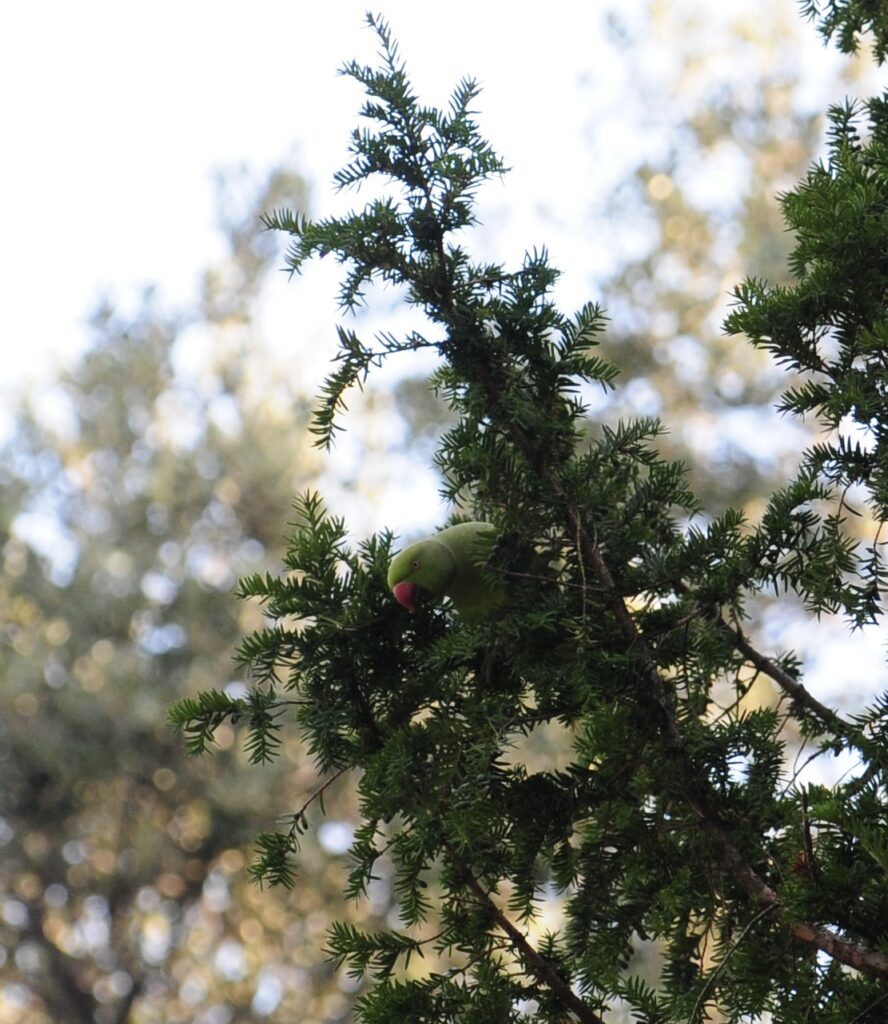

You can see the edits that were made on the 3 layers here.

the splotches in white were what I painted in and the black is what doesn’t have the filter added to it.
I learned another method that is good for speeding up the process if you have a lot of good photos that just need minor tweaks. It’s a way of bringing up a filter that has all the features of the photoshop layers I’d normally want for quick edits. To bring up this filter you want to go up to the filter tab at the top of your screen and select “camera raw filter”.

Once you select it you’ll be brought to an overlay of your Image with a lot of options to the side.

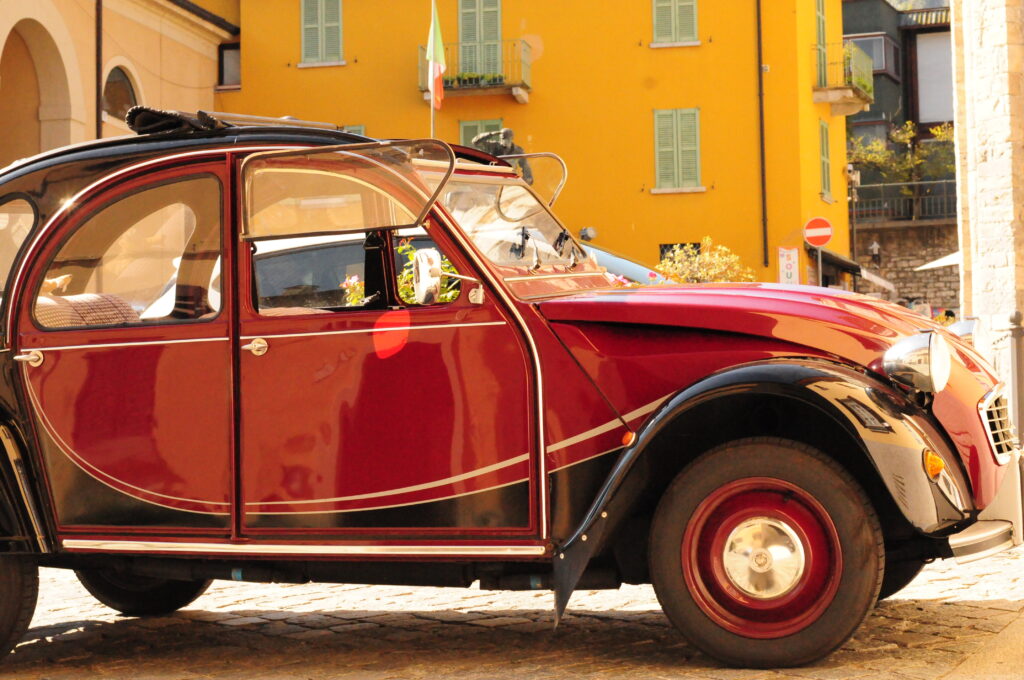
These are all what I’d call stereotypical layers you might want to bring up. I used this to edit a lot of my photos that I just wanted to touch up that I already liked. This photo I took In Italy and just wanted to give it a little more contrast too and so used the camera raw filter.

Maha Bali‘s talk on digital equity I found helpful In reaffirming and broadening my perspective on equality in and out of the online space. She and Valerie had a conversation about different kinds of oppression and Maha brought up what she referred to as the four I’s of oppression. They go as follows; ideological, refers to the overarching idea of one group being better than others which leads to racism, sexism, classism etc. Institutional oppression is the second and is about how institutions and systems reenforce the dominant ideology. Interpersonal Is the oppression that easily seen in our day to day and can take many forms that we all know such as stereotypes or harassment. Finally, the fourth is internalized, when the marginalized groups start to internalize the harmful ideas being put on them by the oppressing group. These four I’s were talked about in the video Maha played which I’ll link here. Maha also talks about how in the digital space inequality happens all the time and goes unnoticed. She mentions how when Wikipedia was first learning how to monitor the edits being made that the editors were all men. This led to less attention being given to women’s biographies. it’s undoubtable that with a small group of heads that many other oversights, whether it be intentional or not, were made under the effects of the four I’s. At some point she mentions an idea of “including people to a table” which is to day once we’ve realized there’s only one group present more effort is placed to add marginalized voices to the conversation. She also says how this can often be a “too little too late” type of situation. The table is already so well established and the rules they’ve curated and so embedded that merely including diversity isn’t enough to make changes.